Natural hair wigs, extensions, toppers, weaves, and other hair products are popular options for their realistic look and versatility, making natural hair a significant factor in their selection. Keeping the same quality of hair is not a very easy process, though, just picking it up and sending it to another country. There are several steps between that when the source hair is turned into the final product that’s shipped to an international buyer. Natural Indian Hair Exporters need to pay attention to sourcing methods, hair selection, preparation, quality checks, packaging, and transportation to ensure the product reaches its destination in good condition. The proper process is designed to preserve the natural features of the hair, while satisfying the needs of wholesale buyers and hair product manufacturers.
“The journey from source to shipment is what protects the value of natural hair.”
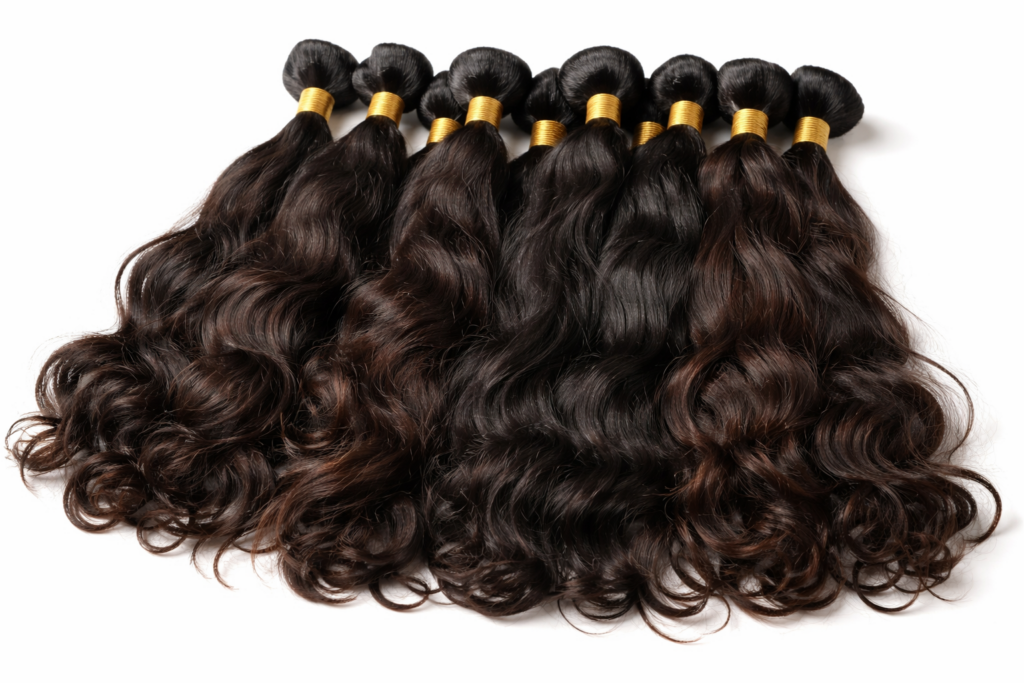
It is essential to first understand that natural hair might be affected by different factors as far as quality is concerned before discussing the export process. A number of characteristics of the hair, including texture, strength, length, density, colour and prior processing, will impact the look and performance of the final product. Just because your hair is in poor condition when you get it doesn’t necessarily mean it will be poor overall.
What happens after the sample is collected can also make a difference. The quality of the appearance and usability of the strands depends on pulling too much or too roughly, on unsuitable storage or on unsuitable processing. Ensuring quality therefore does not simply equate to inspecting the product at the end; it is about taking responsibility for the product quality on the whole trip, for the exporter.
There are varying needs for each of the international buyers. A salon supply shop might require a specific texture from a wig, and a manufacturer can require specific lengths and density for making wigs. There may also be requests for various grades by wholesale distributors for different consumer markets. A matching done with available to the customer’s specifications would minimise inconsistencies. It also makes the manufacturing process and packing more organised.
Raw hair cannot simply be placed into export packaging immediately after collection. It usually requires multiple preparation steps to complete the product for commercial use. This process can include cleaning, sorting, discarding inappropriate strands, straightening and forming bundles as per the specifications. The procedure may differ with the type of hair and nature of the product. The overall goal is to make strands without altering their natural appearance and texture. If processed carefully, this will afford a smooth and manageable finish with the added benefit of a product being suitable for further processing or for immediate use.
Imagine receiving several bundles that are supposed to have the same length and texture, only to find noticeable differences between them. This inconsistency could potentially bring challenges to manufacturers and distributors. That is the reason why sorting is essential in the quality process. Proper sorting creates a more uniform product and makes it easier to fulfil specific wholesale orders
Hair may be divided by:
Also Read this :
One of the reasons why they opt for buying natural Indian hair is because of its realism. When your hair is processed too much or too often, or processed in the wrong way, hair texture and shape can be altered. The exporter must, therefore, take into account what this product is going to be used for when making his decision. Hair that is to be used for a high-quality wig or extension might need to be handled in a different manner than that of hair that is to be used for other purposes.
The cleaning of this element should also be performed carefully. Its aim is to condition hair for the next treatment stage and for packaging, without causing unnecessary damage to the strands. To ensure the product looks natural, it is especially critical for the buyer who would like its colourings well suited with the existing hair that they feel look normal or easily match the hair colour.
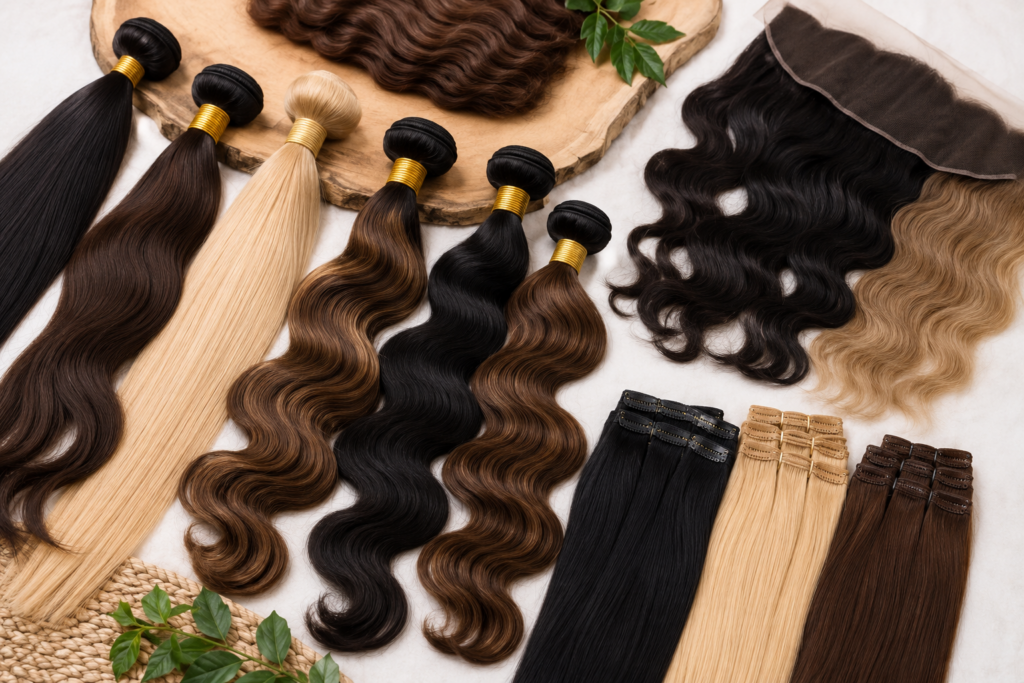
In quality control, the prepared product is compared with the agreed specifications. It helps in recognising issues at an earlier stage to prevent any problems reaching customers when the order is placed. Samples and/or batch testing can be useful when doing large orders to discover any inconsistencies before sending them out. Good record keeping can also benefit with regard to repeat sales.
During a final inspection, some aspects examined may be:
Packaging is the next consideration once the hair has passed the quality control tests. Thousands of kilometres can be covered before hair goes to the international buyer, and this means that it may be handled at warehouses, airports, shipping facilities and delivery centres. Packaging must safely cover the contents all the way through this trip. The arrangement of the bundles should be done so as not to get unnecessarily entangled or compressed.
The hair can be protected from dust and water with proper protective material for transportation. Descriptive labels are also helpful. Product type, quantity, specifications and order information should be organised properly so as to be easily identified and checked in the shipment upon the arrival of the product at the buyer.
If you are looking to export hair simply, the fact that you don’t have any organisation is the only thing that differentiates it. Quality should not be based upon the last inspection. It should be taken into account at each stage, from sourcing.
A structured approach connects each stage:
Sourcing → Selection → Sorting → Preparation → Inspection → Packaging → Shipment
If these stages are utilised in conjunction with one another, exporters can have more control over the final product. The buyers also have more clarity in regard to the purchase of what they intend to receive. This is a much more crucial strategy for companies that buy large quantities of hair. Consistency can directly impact their own product line because a single shipment can be used to produce many wigs, extensions or products.
Consistent Quality: Hair that matches the agreed length, texture, colour, and density requirements.
Proper Inspection: Each order is checked for visible damage, tangling, unevenness, and other quality issues.
Secure Packaging: Hair is packed carefully to protect it from dust, moisture, and rough handling during transit.
Accurate Orders: Buyers receive the correct hair type, quantity, specifications, and packaging as discussed.
Clear Communication: Buyers can receive relevant updates regarding order preparation, packaging, dispatch, and shipment details.
Reliable Documentation: Proper export and shipment documentation helps make the international delivery process more organised.
Better Consistency for Repeat Orders: Maintaining records and quality standards can help exporters prepare future orders with similar specifications.
Smooth International Delivery: Proper coordination between the exporter and logistics provider helps reduce avoidable delays and shipment-related issues.
“Reliable hair sourcing is not just about the product; it is about the process behind it.”
Maintaining natural hair quality is a continuous process that starts well before the product is packed for export. The quality of the source material, careful selection, proper sorting, controlled preparation, detailed inspection, suitable packaging, and organised shipment handling all contribute to the final product.
For buyers looking for consistent hair products for wigs, extensions, weaves, and other applications, choosing experienced Natural Indian Hair Exporters can provide a more organised sourcing experience. When quality is considered at every stage from source to shipment, the finished hair has a better opportunity to retain its natural appearance, texture, and usability throughout the international supply chain.
© 2026 Kavini International Human Hair
Exports | All Rights
Reserved | Developed By


