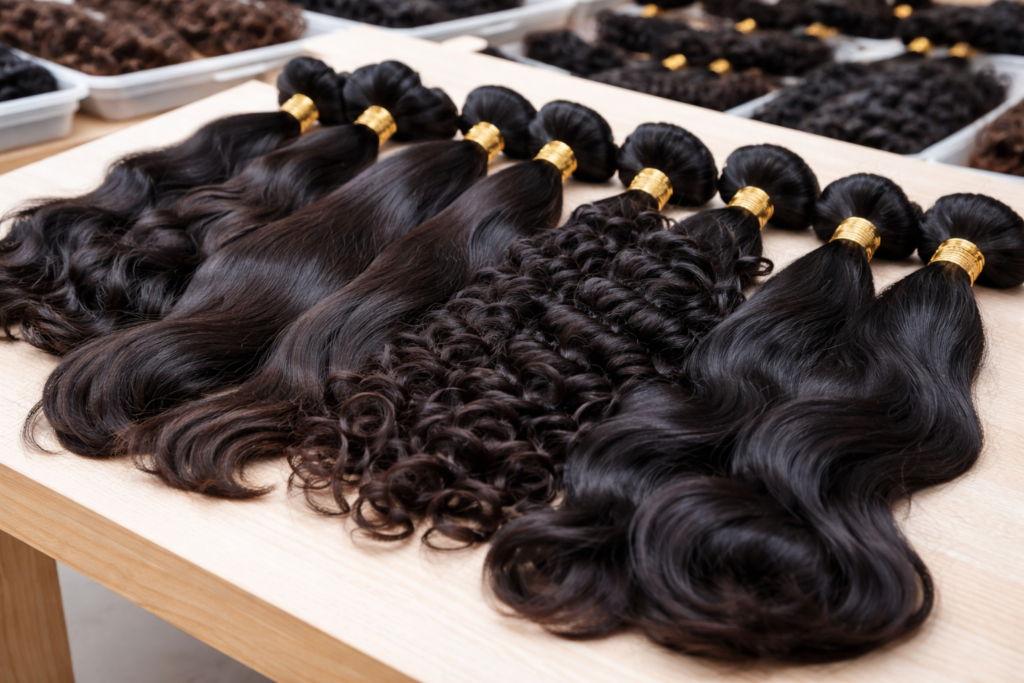
“Beautiful hair begins with quality strands and ends with thoughtful craftsmanship.”
A beautiful wig does not begin with a finished hairstyle. It begins with the careful selection of individual hair strands, where texture, length, quality, and appearance can shape the final result. From sorting the raw hair to creating the base, attaching each strand, and giving the finished piece its desired style, every stage requires precision and attention to detail. Professional wig exporters play an important role in bringing carefully crafted wigs to different markets, offering styles designed for varied preferences, textures, and everyday needs. Understanding this journey reveals how ordinary strands can be transformed into a finished wig that looks natural, feels comfortable, and complements different styles.
Every well-made wig begins with the quality of the hair itself. The texture, length, strength, softness, and overall appearance of the strands can influence how natural and manageable the finished wig will be. Good-quality hair also provides greater flexibility during the making and styling process.
The initial selection is therefore more than simply choosing attractive strands. Manufacturers need to consider whether the hair is suitable for the intended wig style and whether it can maintain its appearance after processing and styling.
Each hair strand needs to be prepared properly before it can be included in a wig. Preparation can include cleaning, conditioning, drying, organising,g and other handling operations as required by the manufacturing process. These steps make the strands easier to manage when it comes to construction.
Proper preparation can also help maintain the original qualities of the hair. By handling gently, tangling and damage are minimised, ensuring the strands are kept in good condition during transformation to the finished product.
Preparation may include:
The texture is an important factor in the look and performance of a wig. Whether you prefer straight hair or waves and curls, they both offer a sleek look and can add volume, movement, and a more unique style. It is important for manufacturers to carefully work with the strands to get the desired texture.
The texture should also not become too coarse for styling and day-to-day use. When a wig is properly prepared with a texture, it can be styled to look the way it’s supposed to and can also be used for various looks.
The first step towards creating a complete wig is the creation of a suitable foundation. The base has structure and acts as a surface for attachment of individual strands. The final fit, fitability, and feel of the wig when worn can be affected by its design.
The base is also supposed to go with the desired hairstyle. Depending upon the desired finish, wearability & attachment, various constructions can be chosen.
The foundation helps provide:
This is where the single strands start to coalesce into a full hairstyle. The hair in each section needs to be strategically placed in the desired direction, density, and appearance. In exposed spaces, especially, it is important to be precise, as an unnatural position can alter the final appearance.
It takes time and patience to attach the wig process as some small differences can affect the fall of the completed wig. With careful workmanship, you can create a balanced look, contributing to the strength of the final product.
Precision matters in:
“A wig is not just made from hair, but from precision, patience, and attention to every detail.”
After the hair is glued on, the wig has to be molded to the desired shape. The goal is to cut, trim, layer, and style the created piece into a final look. This stage combines all the components of hair texture, length, density, and style.
The shaping process also enables manufacturers to make small corrections and produce a more even profile. Finishing techniques can make the difference between a simple, natural-looking wig and a striking, trendsetting wig.
When it comes to wigs, it’s important that they have more than just a visual appeal. Manufacturers can test the finished product, hair attachment, texture, shape, and construction before it is ready for shipment. The quality checking process is used to detect any inconsistencies that may need rectification before the product reaches the customer.
Comfort is also a key factor to take into account, particularly if the wig is meant to be worn for longer periods or regularly. A good finished wig should not only look great, but also be built properly, allowing for easy wearing and styling.
Quality checks may include:
Also Read this :
A well-crafted wig is the result of many small details coming together, from selecting hair strands to creating the right texture, building a comfortable foundation, and shaping the final hairstyle. Each stage adds value to the finished piece and helps transform raw hair into something that looks natural, feels comfortable, and suits different styling preferences. Professional Wig Exporters bring this combination of quality, craftsmanship, and design together to provide wigs that can meet varied requirements across different markets. When attention to detail remains a priority throughout the process, every finished wig becomes more than a hairstyle. It becomes a carefully created product designed to offer confidence, versatility, and lasting appeal.
Hair quality, texture, length, density, strand strength, base construction, and finishing all contribute to the overall quality of a wig.
The hair may be cleaned, conditioned, dried, sorted, and carefully organised before it is used in the wig-making process.
The foundation provides structure for the wig and creates the base for attaching hair. It can also influence the fit, comfort, movement, and overall appearance.
Yes. Wigs can be designed with straight, wavy, curly, layered, short, long, and other styling options to suit different preferences.
Look for Wig Exporters that demonstrate consistent hair quality, careful craftsmanship, reliable finishing, varied styling options, and suitable quality-control practices.
© 2026 Kavini International Human Hair
Exports | All Rights
Reserved | Developed By


